

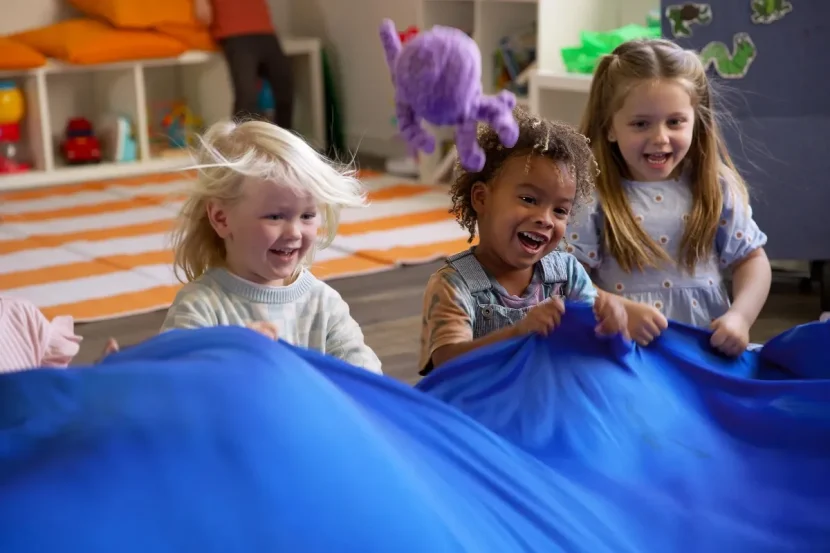
For many toddlers, the best learning experiences don’t happen at a desk or around a worksheet. They happen while singing favourite songs, tapping instruments, pretending to be animals, and moving their bodies to music.
This is one reason early childhood music classes remain popular with both families and early learning centres. Combining music, movement, and social interaction, these sessions help children explore new skills in a way that feels natural and age-appropriate.
While the fun is often what children remember most, music classes can also support children’s confidence, creativity, and social development.
Let’s explore why music remains one of the most engaging ways for young children to learn and grow.
Why Toddlers Naturally Connect With Music
From an early age, children respond to rhythm, melody, and movement. A familiar song can encourage participation, spark curiosity, and help children feel comfortable joining in with others.
Unlike some structured learning activities, music invites children to participate actively. Whether they’re clapping along, singing simple lyrics, or moving to a beat, children are learning through experience rather than observation alone.
A review published in Frontiers in Psychology found growing evidence that participation in music-based activities can support various aspects of early childhood development, including language, attention, memory, and social skills.
What Happens During Early Childhood Music Classes?
A quality early childhood music program offers far more than singing songs. Children are encouraged to participate in a variety of activities that stimulate different areas of development while keeping learning playful and engaging.
Depending on the program, sessions may include:
- Singing and action songs
- Dancing and creative movement
- Exploring rhythm using percussion instruments
- Storytelling and role play
- Interactive games and group activities
- Props, puppets, costumes, and sensory experiences
These activities help keep children engaged while introducing concepts such as rhythm, beat, tempo, and pitch in a way they can easily understand.
Many programs also introduce themed activities that encourage imagination and exploration. One week, children might be travelling through a jungle adventure, while the next, they could be discovering different cultures through music, movement, and storytelling. These changing experiences help maintain engagement while playfully reinforcing key learning concepts.
Building Confidence Through Participation
For many toddlers, confidence grows through positive experiences and encouragement.
Music classes create opportunities for children to contribute at their own pace. Some children may eagerly jump into every activity, while others prefer to observe before joining in. Both approaches are welcomed within a supportive environment.
As children become familiar with routines, songs, and group activities, they often become more willing to participate, communicate, and express themselves. Small moments, such as singing a favourite song or demonstrating a movement, can help build self-esteem over time.
Making Friends Through Music and Movement
Learning alongside others is an important part of early childhood.
Through early childhood music and movement activities, children learn to share space, take turns, listen to instructions, and work together. Group experiences encourage cooperation while helping children develop positive social skills.
Music can also create a sense of belonging. Singing together, moving as a group, or participating in imaginative play encourages connection and shared experiences among peers. This social aspect is one reason why music and movement in early childhood education remains such a valuable part of many early learning environments.
Supporting Everyday Learning Skills
The benefits of music often extend into other areas of development.
As students participate in music and movement early childhood activities, they practise listening, following instructions, and recognising patterns that support everyday learning. These skills support everyday learning and help children build confidence as they explore new experiences.
Choosing a Quality Early Childhood Music Program
Not all music programs are the same, with holistic early childhood development in mind. A well-designed program should combine education with play, allowing children to learn through active participation.
For more than 35 years, hey dee ho has specialised in delivering engaging early childhood education programs across Australia, New Zealand, and the United Kingdom. Working exclusively with early learning centres, our team understands the unique needs of early years education and how to create experiences that are both educational and enjoyable.
Our music program incorporates singing, dancing, percussion instruments, role play, puppets, costumes, and movement-based activities. Children explore concepts such as rhythm, pitch, tempo, and dynamics while participating in interactive experiences designed to support holistic development.
A Fun Activity With Lasting Benefits
Music offers much more than entertainment during the early years. Through singing, movement, play, and shared experiences, children can build confidence, connect with others, and explore the world around them.
Whether you’re a parent looking for enriching experiences or an early learning centre seeking engaging educational opportunities, early childhood music classes can provide a fun and meaningful way to support children’s growth.
To learn more about our programs, contact hey dee ho.ncorporating music into early education is a meaningful step forward. To discover how structured, play-based music experiences can support your child’s development, learn more about our programs.
Get in touch with hey dee ho today.